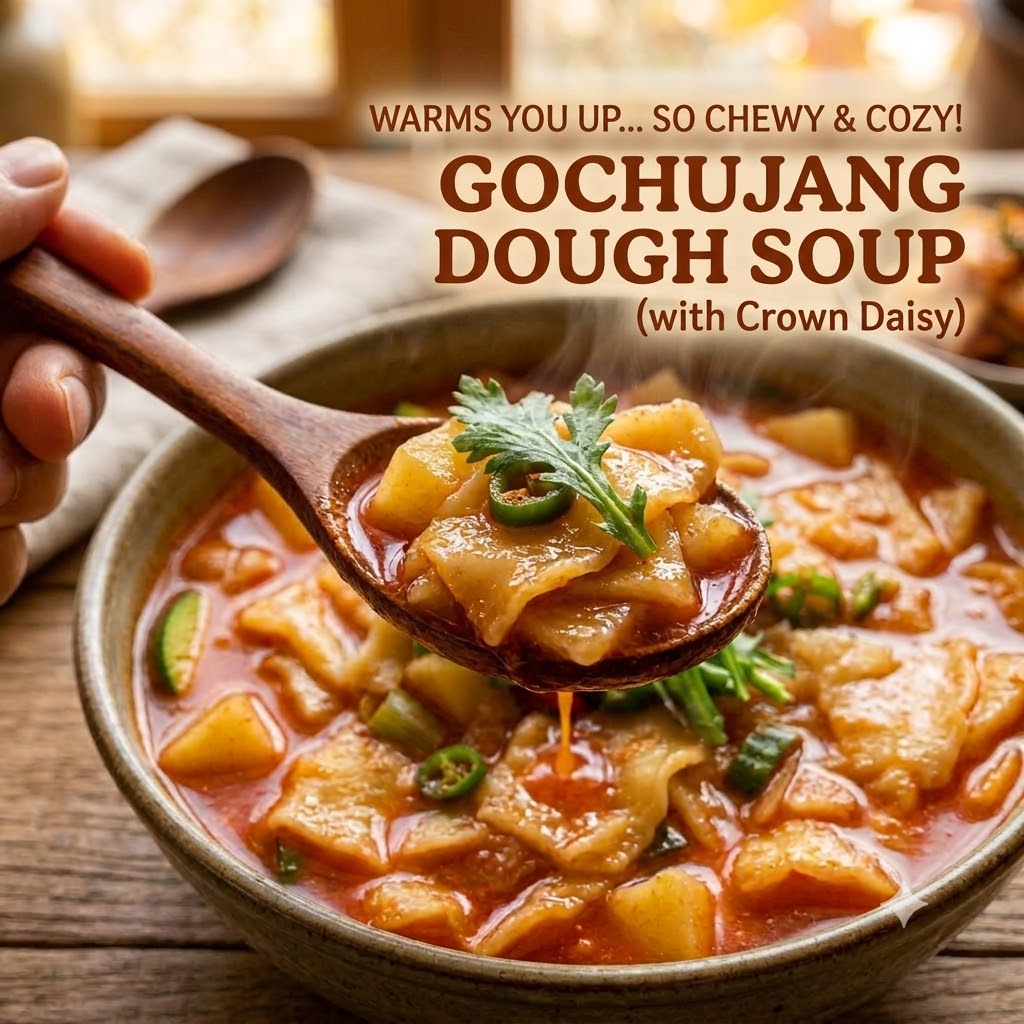
Ultimate Recipe for Spicy Gochujang Sujebi (Chewy Dough & Broth Tips for Chilly Days)
When the autumn breeze turns crisp and cold, there is one dish that instantly comes to mind: a steaming bowl of hot, spicy soup. Among all comfort foods, Spicy Gochujang Sujebi—chewy, hand-pulled dough flakes cooked in a bold Korean chili paste broth—is the ultimate soul food for chilly weather.
Making Sujebi at home can sometimes be tricky. Adding too much gochujang can make the broth heavy or muddy, and the dough might lose its springy texture. Today, I am sharing a detailed, foolproof recipe that rivals your favorite Korean restaurants—complete with secrets to keeping the dough perfectly chewy and making a rich, savory broth from scratch.
Key Ingredients & Portion Guide
You can easily prepare this dish using everyday pantry staples. The measurements below serve 2 to 3 people.
| Category | Ingredients | Portion Example |
|---|---|---|
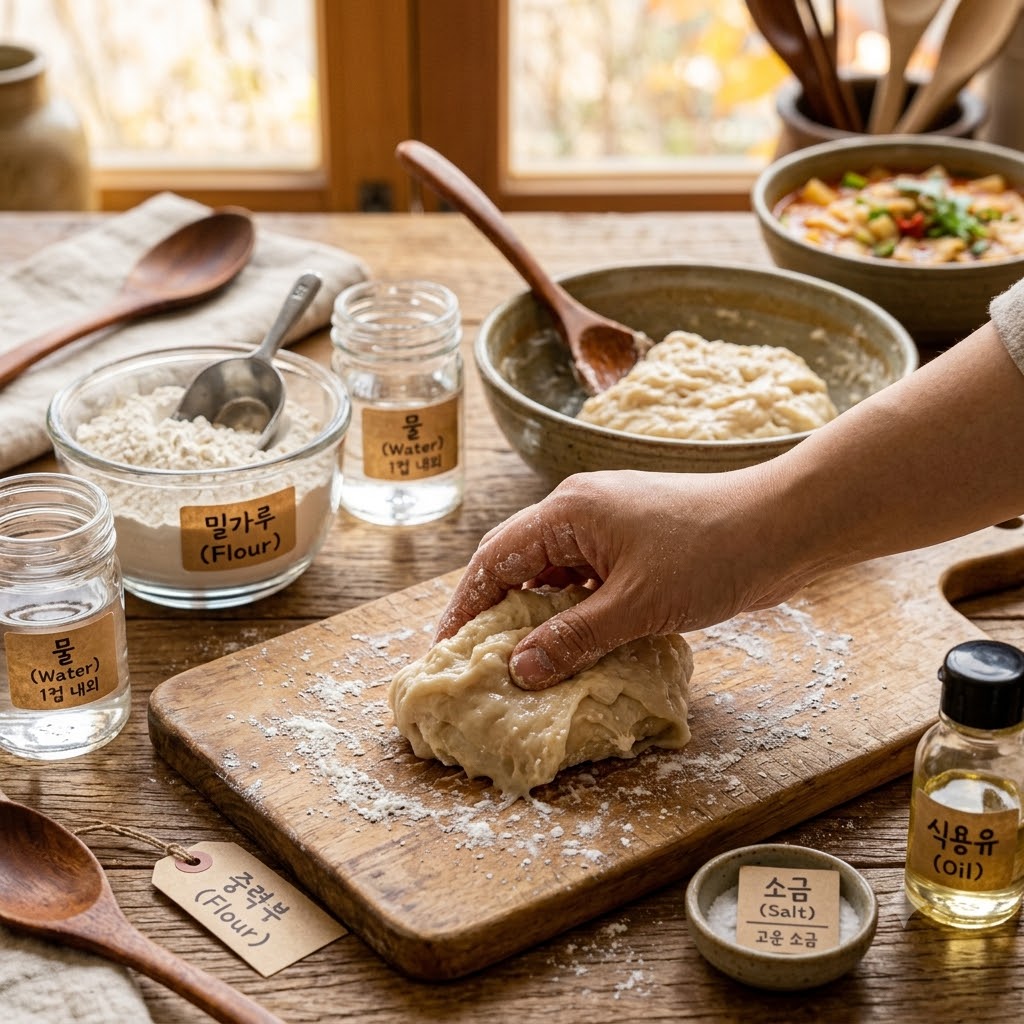
| Dough | All-purpose flour, fine salt, water, cooking oil (Optional: potato starch) | 2–3 cups flour, ~1 cup water, a pinch of salt, a dash of oil |
| Broth Base | Water, anchovy & kelp stock pouch (or broth tablets) | 1.2–1.5 L water, 1–2 stock pouches (or 2–3 broth tablets) |
| Seasoning | Gochujang (chili paste), Doenjang (soybean paste), Gochugaru (chili flakes), minced garlic, soup soy sauce | 1–3 tbsp Gochujang, 0.5–1 tbsp Doenjang, 0.5–1 tbsp Gochugaru, 0.5–1 tbsp minced garlic |
| Vegetables | Potato, onion, zucchini, scallions, cheongyang chili (optional), crown daisy (optional) | 1–2 potatoes, 1/2 onion, 1/2 zucchini, 1/2 scallion stalk |
Step-by-Step Cooking Guide
1. Kneading & Chilling the Dough
Half the success of Sujebi comes down to its texture! In a mixing bowl, combine all-purpose flour and a pinch of fine salt. Gradually add water while stirring to form a rough dough. Drizzle in a small splash of cooking oil, then knead vigorously for 5 to 10 minutes until smooth. Wrap the dough in plastic wrap and refrigerate for 20 to 60 minutes to rest.
2. Preparing the Broth & Parboiling Potatoes
In a pot, bring 1.2 to 1.5 liters of water to a boil with anchovy-kelp stock pouches or broth tablets. Once the stock is deeply infused, remove the pouches. Slice the potatoes into bite-sized pieces and add them first so they cook through along with the broth.
3. Crafting the Spicy Seasoning Base
Bring the broth back to a boil, then dissolve the Gochujang and Doenjang through a fine mesh strainer to keep the soup smooth. Stir in the Gochugaru (chili flakes) and minced garlic to create a bright, savory, and spicy soup base.
4. Pulling the Dough & Adding Vegetables
Take the rested dough out of the fridge. Stretch and tear it by hand into thin, bite-sized pieces directly into the boiling soup. Stir gently so the dough pieces don't stick together. Once the dough pieces float to the top, add sliced onions, zucchini, scallions, and chili peppers (if using). Simmer over medium heat for another 5 to 6 minutes.
5. Final Seasoning & Serving
Taste the broth and adjust with soup soy sauce or standard soy sauce for depth. Finish with a small pinch of salt if needed, bring to a final boil, and serve piping hot!
💡 Restaurant-Style Pro Tips for Broth & Garnish
1. Deep, Savory Flavor with Meat Broth: While classic anchovy stock is crisp and clean, if you prefer a richer, heartier soup, try adding chicken bouillon/stock or beef bone broth (sagol-guk). Swapping part of the water for bone broth or adding 1 tbsp of chicken stock gives the soup an amazingly deep, slow-simmered flavor.
2. Fresh Crown Daisy Garnish: Just before turning off the heat (or right after ladling into bowls), top with fresh crown daisy (ssukgat). Its refreshing herbal aroma pairs beautifully with the spicy gochujang broth, elevating both appearance and flavor!
Expert Tips for Texture and Flavor
✔ 3 Golden Rules for Chewy Dough
- Control the Water: Never pour all the water at once. Add it gradually to achieve a firm, non-sticky dough.
- Oil and Thorough Kneading: Adding a touch of cooking oil aids gluten development and keeps the dough moist. Knead for a full 10 minutes until perfectly smooth.
- Flour-to-Starch Ratio: For an extra springy, bouncy bite, mix all-purpose flour and potato starch in a 9:1 ratio.
✔ Preventing a Muddy Broth
Using only Gochujang can make the broth overly sweet and heavy. The trick to a clean, fiery kick is to reduce the Gochujang slightly and combine it with Gochugaru. Adding a small amount of Doenjang (0.5 to 1 tbsp) adds deep umami without making the soup taste like soybean paste soup.
Frequently Asked Questions (Q&A)
Q. Is longer dough resting time always better?
A. Refrigerating the dough for 20 to 60 minutes yields the ideal texture. Resting it for too long (over 12 hours) can make the dough overly slack and difficult to shape.
Q. How can I make it extra spicy?
A. Finely slice 1 or 2 Cheongyang chilies (or Korean green hot peppers) and toss them in with the vegetables, or add an extra 0.5 tbsp of spicy chili flakes.
Q. How should I store leftovers?
A. Once cooked, the dough will absorb broth and get soft over time, so it's best eaten fresh. If you have leftover dough, seal it tightly in plastic wrap, keep it in the fridge, and pull fresh pieces into new broth the next day!
Final Thoughts
When you need something warm to melt away the winter chill, a bubbling bowl of Spicy Gochujang Sujebi is pure comfort in a bowl. Try out the potato starch trick, rich bone broth addition, and fresh crown daisy garnish to enjoy a truly memorable meal at home!
If you enjoyed this recipe, please leave a like, comment, and subscribe for more delicious stories!
You Might Also Like:
How to Make Korean-Style Candied Chestnuts | What's the Difference from Japan’s Kuri Kanroni? From Chestnut Benefits to Storag
How to Make Korean-Style Candied Chestnuts | What's the Difference from Japan’s Kuri Kanroni? From Chestnut Benefits to Storage TipsWhen autumn arrives, many people think of roasted chestnuts or chestnut rice.However, if you want to try something a bit d
zoomcook.co.kr


