
The Ultimate 2026 Kimjang Guide! From Regional Korean Kimchi Styles to Foolproof Seasoning Ratios & Storage Tips
It’s officially Kimjang season—Korea’s beloved annual tradition of making winter kimchi! From Jeolla-do’s rich, umami-packed fermented seafood flavors to Gyeongsang-do’s bold, fiery kick and Chungcheong-do’s clean, subtle taste, let’s dive into Korea’s diverse kimchi culture, fail-safe seasoning ratios, and why a dedicated kimchi fridge makes all the difference.
1. 2026 Kimjang Trends: What’s New This Year?
When Kimjang season rolls around, households across Korea gear up with mountains of napa cabbage, radish, red chili flakes (gochugaru), and fermented seafood. Lately, though, the traditional Kimjang scene has gotten a modern makeover.
In the past, the entire extended family would spend all day salting cabbages from scratch and hand-mincing piles of garlic. Today, more households are cutting down on time and heavy lifting by ordering pre-salted cabbages and pre-prepped ingredients.
- Hassle-free Kimjang using pre-salted napa cabbage (jeorim-baechu)
- Time-saving pre-peeled and pre-minced garlic
- Customized kimchi fillings tailored to each family’s palate
- Small-batch Kimjang paired with buying artisanal, store-bought kimchi
According to the Korea Rural Economic Institute’s 2026 consumer survey on Kimjang, shifting habits in home-making versus buying commercial kimchi are clearer than ever. As homemade traditions and high-end store-bought options coexist, Kimjang culture continues to evolve to fit modern lifestyles.
2. Regional Kimjang Kimchi Across Korea: What’s the Difference?
Korean kimchi varies dramatically from region to region in both ingredients and flavor profiles. Even with the exact same napa cabbage base, the type of salted seafood (jeotgal) and the amount of seasoning create completely different culinary experiences.
① Seoul & Gyeonggi – Clean, Crisp, and Well-Balanced
The Seoul and Gyeonggi regions use salted shrimp (saeujeot) and salted yellow croaker (jogijeot) to harmonize various ingredients without overpowering the palate. Locals favor a crisp, clean, and well-rounded flavor. Famous regional specialties include Bossam Kimchi (wrapped kimchi) and Seokbakji (chunky radish and cabbage kimchi).
② Gangwon-do – Refreshing and Savory Coastal Kimchi
Along the East Coast, kimchi evolved to incorporate fresh local seafood like pollock and squid. Crisp radish-based varieties like Dongchimi (radish water kimchi) and Seogeori Kkakdugi (cubed radish kimchi fermented with pollock trimmings) are legendary here, known for their deeply refreshing and savory broth.
③ Chungcheong-do – Mild, Pure, and Understated
Chungcheong-do style avoids heavy spices, focusing instead on letting the natural sweetness of the vegetables shine. Many varieties rely primarily on sea salt rather than heavy fermented seafood, with unique local favorites like gourd kimchi (bak-kimchi) and eggplant kimchi (gaji-kimchi).
④ Jeolla-do – Deep, Bold, and Rich in Umami
Famous as Korea’s culinary heartland, Jeolla-do pulls out all the stops with a generous mix of salted anchovy, shrimp, and croaker, combined with plenty of chili flakes, garlic, and sweet rice paste. The result is an intensely flavorful, umami-bomb kimchi. Mustard leaf kimchi (gat-kimchi) and Korean lettuce kimchi (godeulppaegi) are also regional icons.
⑤ Gyeongsang-do – Salty, Spicy, and Punchy
Gyeongsang-do kimchi leans heavily into anchovy sauce, garlic, and red chili flakes for a bold, unapologetically spicy punch—some coastal towns even add raw hairtail fish! Bijimi (soybean pulp kimchi) and garlic chive kimchi (buchu-kimchi) are staple favorites.
⑥ Jeju Island – Simple, Rustic, and Seasonal
Thanks to its unique subtropical island climate, Jeju developed simple, rustic kimchi using local, year-round produce. Alongside traditional cabbage kimchi, islanders love making fresh kimchi with local chives and seasonal greens.
| Region | Key Ingredients | Flavor Profile |
|---|---|---|
| Seoul & Gyeonggi | Salted shrimp, salted croaker | Clean, crisp, and balanced |
| Gangwon-do | Pollock, squid, radish | Refreshing and savory |
| Chungcheong-do | Sea salt-based seasoning | Mild, subtle, and pure |
| Jeolla-do | Diverse jeotgal & rich spices | Deep, bold, and umami-rich |
| Gyeongsang-do | Anchovy sauce, garlic, chili flakes | Salty, spicy, and punchy |
| Jeju Island | Local seasonal greens | Rustic and natural |
3. The Golden Ratio for Kimjang Kimchi Seasoning
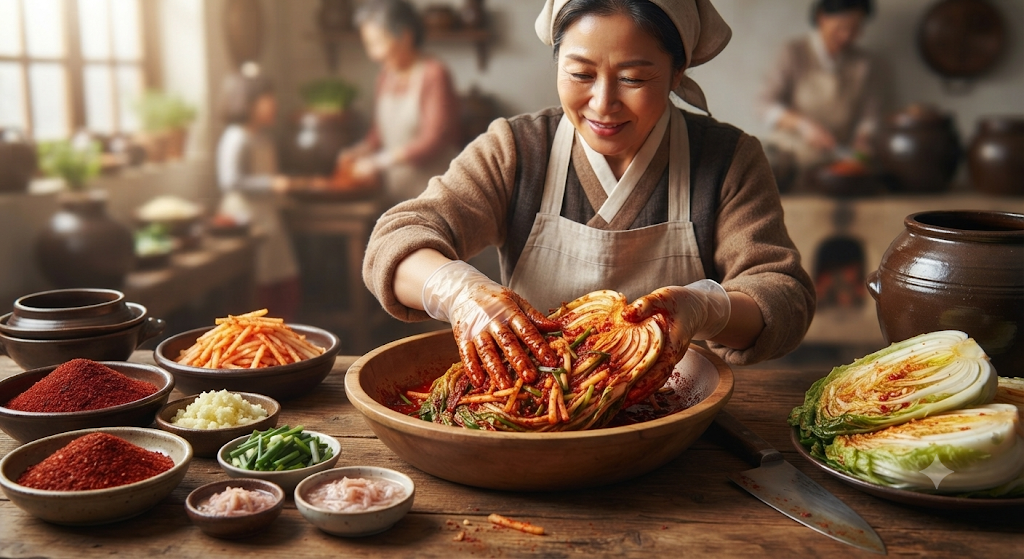
Making great kimchi isn’t about dumping in as much spice as possible—it’s all about balance between the cabbage and the paste. Deep savory notes from fermented seafood, natural fruit sweetness, and the crisp coolness of radish need to work in harmony.
Recommended Home Recipe Ratio (Per 10kg of Pre-Salted Napa Cabbage)
| Ingredient | Amount | Role in Flavor |
|---|---|---|
| Korean Radish (Mu) | 1–1.2 kg | Crisp, refreshing crunch |
| Red Chili Flakes (Gochugaru) | 350–450 g | Vibrant color & heat |
| Anchovy Fish Sauce | 150–200 ml | Deep umami |
| Salted Shrimp (Saeujeot) | 100–150 g | Rich savory depth |
| Minced Garlic | 150–200 g | Bold aroma |
| Minced Ginger | 25–35 g | Aromatic balance |
| Sweet Rice Paste (Chapssal-pul) | 400–500 g | Binds paste & aids fermentation |
| Korean Pear | 1 whole | Natural sweetness |
| Onion | 1 whole | Mild sweetness & body |
| Scallions (Jjokpa) | 200–250 g | Fresh aroma & texture |
| Mustard Greens (Gat) | 150–200 g | Distinctive peppery depth |
※ Adjust amounts depending on how salty your pre-salted cabbages and fermented seafood are. These figures are a baseline home guide rather than a strict rule.
4. 7 Pro Tips to Make Your Kimjang Kimchi Taste Even Better
① Pick Dense, Tightly Packed Cabbages
Look for cabbages with fresh, crisp outer leaves, a firm feel, and vibrant yellow inner leaves.
② Taste-Test Your Pre-Salted Cabbage First
Adding extra salt to properly brined cabbage—or over-washing it—can throw off the final flavor and texture.
③ Drain Excess Water Thoroughly
If the cabbage holds too much water, your seasoning paste will turn watery and dilute the kimchi brine.
④ Mix the Seasoning Paste Ahead of Time
Letting the paste rest before spreading allows the chili flakes to hydrate and the flavors to meld evenly.
⑤ Don’t Slather the Paste Too Thickly
Focus on tucking a thin, even layer of paste between every single leaf rather than piling it on top.
⑥ Leave Headroom in Your Kimchi Containers
Kimchi releases natural juices as it ferments, so leave about 20% empty space at the top to prevent messy overflows.
⑦ Prioritize Freshness and Cleanliness
If you’re adding raw seafood like fresh oysters or raw shrimp, extra attention to freshness and cold storage is a must.
5. Regular Fridge vs. Kimchi Refrigerator: What’s the Real Difference?
Once your kimchi is packed, proper storage is everything. While you can certainly store kimchi in a standard refrigerator, a dedicated kimchi fridge is a game-changer if you want that fresh, crisp taste to last all winter.
| Feature | Regular Refrigerator | Kimchi Refrigerator |
|---|---|---|
| Primary Purpose | General food storage | Controlled kimchi aging & storage |
| Temperature | Standard chill (2°C to 4°C) | Sub-zero precision tailored for kimchi |
| Temp Fluctuation | Drops whenever the door opens | Highly stable, airtight zones |
| Fermentation Speed | Relatively fast (sours quicker) | Slow and easily customizable |
| Long-Term Storage | Less ideal over months | Ideal for months-long freshness |
6. What Is the Ideal Storage Temperature for Kimjang Kimchi?
Cranking your kimchi fridge down to its coldest setting isn’t always the best move. Depending on salt and moisture levels, your kimchi could freeze or lose its signature crunch.
- Mild Chill (약냉): Approx. -0.8℃
- Standard (표준): Approx. -1.3℃
- Strong Chill (강냉): Approx. -1.8℃
※ Sample settings based on select Samsung stand-type models; actual temperatures vary by brand and model. Always check your user manual.
Low-sodium kimchi has a higher freezing point, so avoid overly cold settings. If you notice ice crystals forming on your kimchi, bump the temperature up a notch.
7. How to Keep Kimjang Kimchi Crisp and Delicious for Months
- Portion It Out: Pack kimchi into smaller containers holding just a few days’ worth so you don’t disturb the main stash.
- Seal Out Air: Use airtight containers or press a sheet of plastic wrap directly over the top to minimize oxygen exposure.
- Submerge in Brine: Gently press the kimchi down so it stays submerged under its own flavorful juices.
- Use Clean Utensils: Always grab kimchi with clean chopsticks or tongs to keep unwanted bacteria out.
- Keep Temps Steady: Avoid opening your main storage containers frequently to prevent temperature swings.
- Sort by Variety: Store napa cabbage kimchi, water kimchi (dongchimi), and low-salt kimchi separately since each ferments at a different pace.
8. When Is Kimjang Kimchi at Its Peak Flavor?
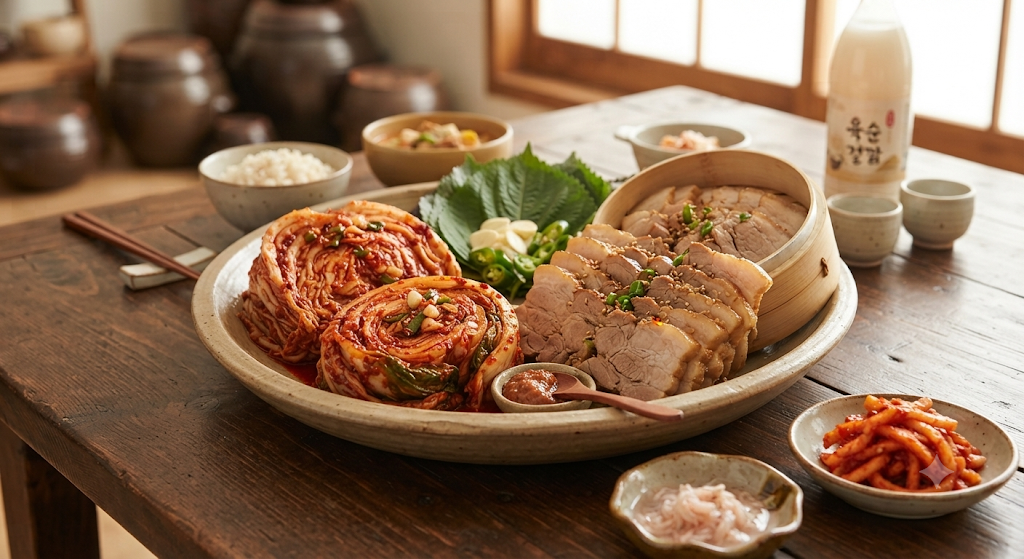
Kimchi is a living food whose personality transforms as it ferments. Freshly mixed kimchi (geotjeori-style) bursts with crisp, bright flavors, while aged kimchi develops a tangy, complex depth.
| Fermentation Stage | Best Dish Pairings |
|---|---|
| Freshly Made (Day 1) | Suyuk / Bossam (tender boiled pork belly) |
| Lightly Fermented | Kimchi pancakes (Kimchijeon), everyday side dish |
| Well-Ripened & Tangy | Kimchi stew (Kimchi-jjigae), stir-fried kimchi |
| Long-Aged (Mugeunji) | Braised aged kimchi (Mugeunji-jjim), kimchi wraps |
Wrapping Up – The Best Kimchi Is the One Made for Your Table
Kimjang kimchi is so much more than a winter side dish. It’s a living piece of Korean heritage where local climates, regional ingredients, and family tastes come together in every jar.
If you crave Jeolla-do’s bold umami, don’t shy away from fermented seafood. If you prefer Chungcheong-do’s clean simplicity, keep the spices light and let the vegetables shine. At the end of the day, the secret isn’t piling on seasoning—it’s finding the balance your household loves.
This winter, try making a batch tailored just for your table, and reward yourself immediately with a slice of warm, tender bossam pork wrapped in freshly seasoned kimchi. And knowing that same batch will turn into bubbling bowls of kimchi stew months down the road? That makes every bit of the effort worth it.
How to Pick Pre-Salted Cabbage · Kimchi Fridge Temp Settings · Cooking with Aged Kimchi (Mugeunji) · Storing Fresh Cabbage & Radish
References
- Korea Rural Economic Institute (KREI) – 2026 Consumer Survey on Kimjang & Agricultural Outlook
- Encyclopedia of Korean Folk Culture – Kimchi & Regional Kimjang Traditions
- Kimchi Content Integrated Platform – Regional Korean Kimchi Database
- Samsung Electronics Service – Kimchi Refrigerator Storage Temperature Guide
Related Posts :
Just Like Street Vendors! My Secret to Perfection with Oven-Roasted Sweet Potatoes
Just Like Street Vendors! My Secret to Perfection with Oven-Roasted Sweet Potatoes
Homemade Winter Snacks · Oven Cooking · Sweet Potato RecipeJust Like Street Vendors! My Secret to Perfection with Oven-Roasted Sweet PotatoesWhenever I grab a warm roasted sweet potato from a street vendor during winter, I always wonder if I can recreate
zoomcook.co.kr


