Meta Description
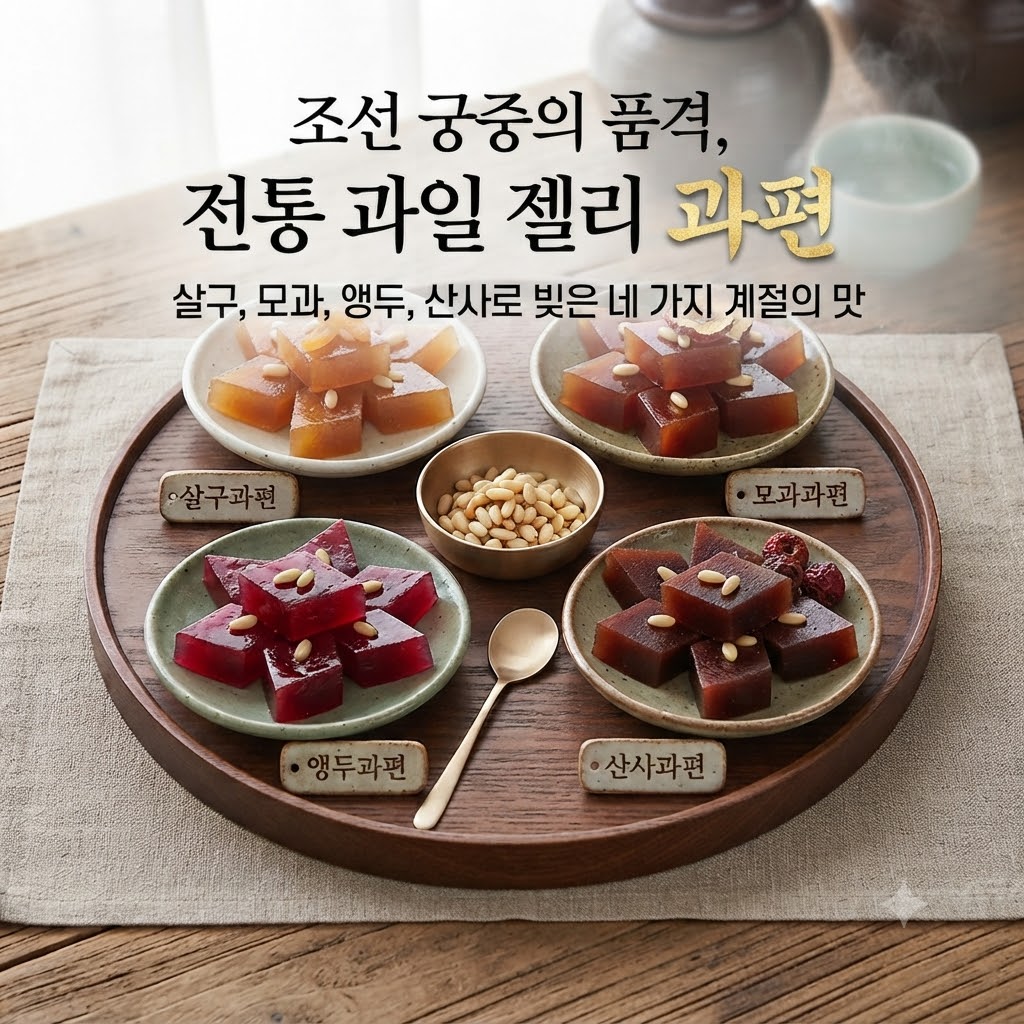
Gwapyeon is a traditional Korean fruit jelly that dates back to the Joseon Dynasty. This guide covers everything from its history and varieties to the unique flavors, health benefits, and simple tips on how to make and store it at home.
Ever Heard of Korean Jelly? The Story of 'Gwapyeon,' a Royal Dessert from the Joseon Dynasty
When we think of "jelly," most of us imagine colorful gummy candies or marshmallows. But did you know that Korea has had its own "traditional jelly" for hundreds of years?
It is called Gwapyeon (果片). While the name might sound unfamiliar, it was a prized, sophisticated dessert served to honored guests or at grand banquets in the royal courts and elite households of the Joseon Dynasty.
Unlike modern jellies, Gwapyeon uses no gelatin or artificial flavors. It relies solely on fruit and honey to create a subtle, natural fragrance and beautiful colors, making it the perfect "vintage dessert."
🍑 What is Gwapyeon?
True to its name, Gwapyeon is a dish made by "solidifying fruit."
Ripe fruits are boiled down after their skins and seeds are removed. The resulting fruit pulp or juice is then slowly simmered with honey or starch syrup. By adding starch or natural gelling agents and letting it cool, you get the soft, chewy texture of Gwapyeon.
It isn’t as bouncy as modern gummy jellies, but its real charm lies in how it slowly melts in your mouth, releasing the authentic, delicate aroma of the fruit.
Why is it called 'Gwapyeon'?
The name is derived from the Hanja characters 'Gwa' (fruit) and 'Pyeon' (piece/slice). In essence, it means "slices of fruit."
Once set, Gwapyeon was typically cut into neat squares or diamond shapes and elegantly plated. Its beautiful presentation made it a decorative highlight of royal cuisine.
Think of it as the original, refined version of a modern dessert platter.
📖 Did they really have jelly in the Joseon Dynasty?
Many think jelly is a purely Western invention, but Korea has had a long-standing tradition of solidifying fruit for consumption since the Joseon era.
The royal court, in particular, created Gwapyeon using the freshest fruits of the season: cherries in spring; apricots and peaches in summer; and quince and hawthorn berries in autumn.
In an age before refrigerators, preserving fruit was a challenge. This cooking method was a clever way to extend the shelf life of fruit while capturing its flavor and vibrant color.
It was more than just a preservation method—it was a culinary art form rooted in wisdom.
Why it was a Royal Favorite
Making Gwapyeon is a labor of love. It requires great care to select the finest fruits, and the process of boiling, straining, simmering, and setting requires time and dedication.
Because of this effort, it wasn't an everyday snack but a special treat reserved for holidays, weddings, 60th birthday celebrations, and receiving esteemed guests.
With its elegant colors and precise shapes, it was a staple at royal banquets and a high-end dessert paired with tea.
💡 A Fun Fact
Back in the Joseon Dynasty, there were no cakes or chocolates. Gwapyeon was one of the most extravagant and sophisticated desserts available.
Beyond its sweet flavor, it preserved the essence of seasonal fruits, making it quite similar to the premium handcrafted desserts we seek today.
The True Charm of Gwapyeon: 'Natural Goodness'
Modern jellies rely on artificial dyes and flavorings for intense taste and color. In contrast, Gwapyeon highlights the fruit's own unique characteristics.
With the first bite, you experience a mild sweetness, followed by a lingering, authentic fruit aroma. It perfectly embodies the traditional Korean preference for subtle, deep flavors rather than overpowering sugariness.
🍓 Diverse Varieties of Gwapyeon
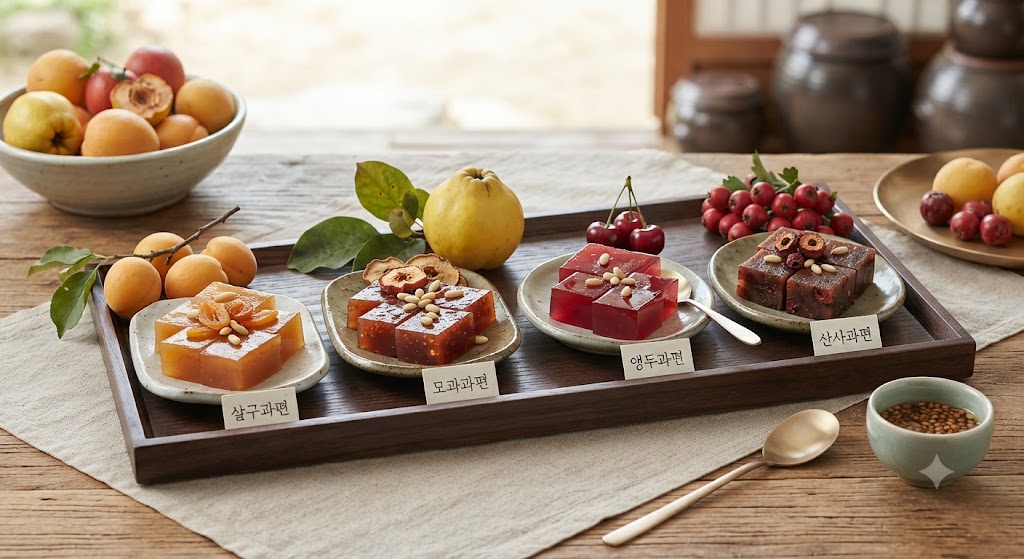
Gwapyeon changes its personality depending on the fruit used. Since it was made with seasonal fruits during the Joseon Dynasty, it was literally a dessert that captured the essence of the seasons.
Each variety offers a completely different experience.
🍑 Apricot (Salgu) Gwapyeon
The most balanced in terms of sweetness and tartness. Its mild aroma makes it a great choice for beginners.
🍋 Quince (Mogwa) Gwapyeon
Known for the most intense aroma. It leaves a subtle, floral scent that was highly prized in the royal court.
🍒 Cherry (Aengdu) Gwapyeon
Stunningly red, it was a staple at festive tables. Characterized by its refreshing, tangy flavor.
🍎 Hawthorn (Sansa) Gwapyeon
Loved for its tartness, it was a popular palate cleanser, especially after a heavy, greasy meal.
😋 What does it actually taste like?
People often ask, "Is it like modern jelly?" It has similarities, but it’s quite a unique experience.
Here is what it's like:
- Starts with a subtle fruit aroma.
- Offers a natural, gentle sweetness rather than a sugary punch.
- The fruit flavor deepens as you chew.
- Light on the palate, leaving no cloying aftertaste.
Its texture is also distinct:
| Dessert | Texture |
|---|---|
| Gwapyeon | Soft, subtly chewy |
| Yang-gaeng (Red Bean Jelly) | Dense and firm |
| Fruit Gummy | Bouncy and elastic |
| Pudding | Very soft, melts easily |
To put it simply, it's "lighter than Yang-gaeng, more natural than gummy candy, and chewier than pudding."
🍵 Why was it served with tea?
In the Joseon Dynasty, Gwapyeon was part of a tea-time ritual rather than just a casual snack.
Pairing it with warm tea enhances the subtle fruit aromatics, creating a perfect balance.
It still pairs wonderfully with traditional teas today:
- 🌼 Citron (Yuza) Tea
- 🌿 Quince (Mogwa) Tea
- 🌸 Omija Tea
- 🍵 Green Tea
- 🌾 Brown Rice Tea
🌿 Why it’s considered a 'Healthy Dessert'
While not specifically invented as a "health food," Gwapyeon is naturally wholesome due to its ingredients:
- Uses real, natural fruit.
- Free from butter or heavy cream.
- Not deep-fried.
- Achieves beautiful colors without artificial dyes.
- Utilizes seasonal, whole ingredients.
While it does contain honey or syrup, it is significantly cleaner and less taxing on the body compared to cream-based cakes or modern pastries.
✨ Why it's making a comeback
With the global rise of K-Food, there is renewed interest in traditional Korean confections.
While Yakgwa and Yugwa paved the way, Gwapyeon is now stepping into the spotlight as an authentic, natural dessert.
Modern foodies, increasingly looking for "clean" and healthy alternatives, are embracing Gwapyeon as a "Korean-style premium fruit jelly."
Its quiet elegance and authentic flavor profile fit perfectly with today’s sophisticated palate.
👩🍳 Can you make it at home? Yes, it's easier than you think!
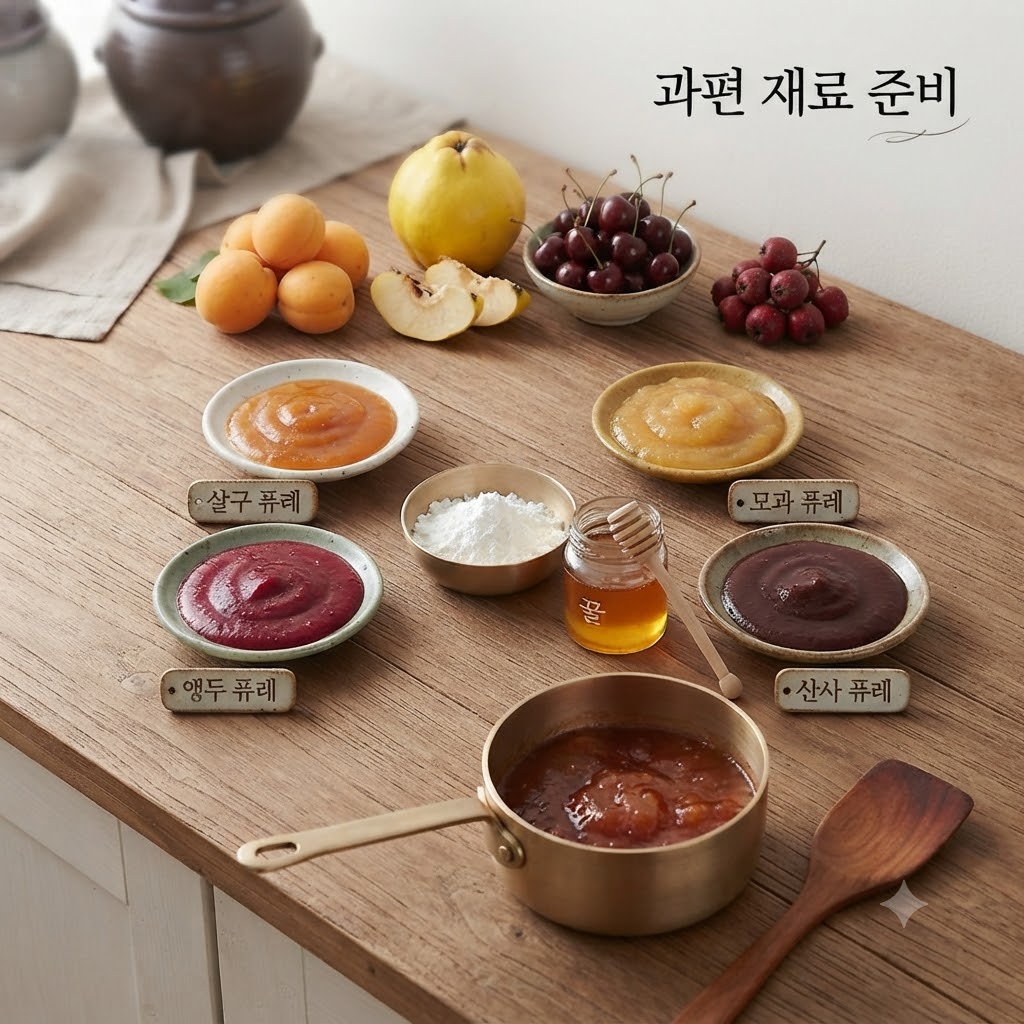
Because it’s a royal dish, many think Gwapyeon is too difficult to master. But with the right technique, you can easily make it at home. It’s not a "fast food"—you need patience to simmer the fruit slowly.
That slow, deliberate process is, in fact, the greatest secret to its delicious flavor.
🍑 Basic Ingredients
- 500g ripe, seasonal fruit
- 100–150g honey or starch syrup
- A little potato starch or corn starch
- Water
Traditional recipes avoid excessive sweetness to let the fruit’s natural flavor shine. The riper the fruit, the deeper the flavor.
🥣 How to Make It
① Prep the Fruit
Remove seeds and skins, then boil until soft.
② Strain
Pass through a fine-mesh sieve for a silky, smooth texture.
③ Simmer Slowly
This is the most critical step. Simmer over low heat while stirring constantly to preserve the fruit's aroma.
④ Set
Pour into a mold, let it cool, and firm up in the refrigerator.
💡 Common Pitfalls
- Cooking over high heat and rushing the process.
- Adding too much sugar.
- Using under-ripe fruit.
- Not allowing enough time for it to set.
The keyword is "slow." The more time you invest, the better the Gwapyeon will taste.
🍵 Perfect Pairings
Gwapyeon is best enjoyed with tea. It cleanses the palate and intensifies the fruit aromatics.
| Tea Pairing | Recommendation |
|---|---|
| Green Tea | ★★★★★ |
| Quince Tea | ★★★★★ |
| Omija Tea | ★★★★☆ |
| Citron Tea | ★★★★☆ |
| Black Tea | ★★★★☆ |
📦 How to Store
Since traditional Gwapyeon contains no preservatives, it should be consumed relatively quickly.
- Refrigeration: Lasts about 3–5 days.
- Store in an airtight container.
- Avoid direct sunlight.
- Let sit at room temperature for 10 minutes before serving to fully enjoy the aroma.
🌏 Why Traditional Korean Desserts are Trending
As more people prioritize their well-being, there is a global shift toward natural, wholesome ingredients—which is why traditional foods are seeing a resurgence.
Gwapyeon fits perfectly into this lifestyle. It uses fruit for color and nature for fragrance, aligning with modern consumer values.
Beautifully plated, it offers an elegant, café-quality experience perfect for hosting guests.
❓ Frequently Asked Questions (FAQ)
Q. Does Gwapyeon contain gelatin?
No. Traditional Gwapyeon is set using a combination of natural fruit pectin, starch, and honey.
Q. Can I eat this on a diet?
In moderation, it is much lighter than cream-based desserts, though it does contain natural sugars from honey/syrup, so enjoy it in small portions.
Q. Is it safe for children?
Yes! Its soft texture and gentle flavor make it a kid-friendly treat. Just check for any personal allergies to specific fruits.
Final Thoughts
In an era overflowing with flashy, ultra-processed sweets, the most memorable foods are often those that embrace the purity of nature.
Gwapyeon reflects the wisdom of our ancestors, who cherished the bounty of the seasons and invested time and patience into everything they created.
From its delicate fragrance to its gentle sweetness and artistic form, Gwapyeon is more than just a dessert—it's a small masterpiece of Korean culinary heritage.
If you haven’t tried Gwapyeon yet, I highly recommend making it yourself or finding a traditional confectioner to experience it. You’ll find it offers a charm that modern mass-produced jellies simply can’t match.
You Might Also Like:
2026 Summer Limited: "Did you only have cucumber and seaweed?" The Ultimate Guide to 40 Traditional Korean Cold Soups You Never
2026 Summer Limited: "Did you only have cucumber and seaweed?" The Ultimate Guide to 40 Traditional Korean Cold Soups You Never Knew About (ft. Joseon Nobility Health Foods)In the summer of 2026, which is projected to bring record-breaking humid heat waves
zoomcook.co.kr


